Price List: Under Tk.5,000 | Tk.5001-10000 | Tk.10001-15000 | Tk.15001-20000 | Tk.20001-30000 | Tk.30001-40000 | More Mobiles

- Home
- All Mobile
- Oppo
- Oppo Pad Air 3
Oppo Pad Air 3
Specifications
Price in Bangladesh
| Expected Price | Coming soon |
| Global Price |
|
General
| Device Type | Tablets |
| Released | February, 2026 |
| Status | Available |
Hardware & Software
| Operating System OS => Every computer system run on a base software called Operating System (OS). Operating System controls all basic operations of the computer (such as smartphone, PDAs, tablet computers and other handheld devices). The Operating System allows the user to install and run third party applications (apps), apps are used to add new functionality to the device. | Android |
| OS Version | v16 |
| Chipset Chipset is a group of integrated circuits designed to perform one or a more dedicated functions, often with real time computing constraints, Popular smartphones are equipped with more advanced embedded chipsets that can do many different tasks depending on their programming. | Mediatek Helio G99 (6nm) |
| CPU CPU (Central Processing Unit) mostly known as processors, CPU processes instructions in order to carry out certain functions that make your device operate properly. Processors are often described as the brain of computers, smartphones and tablets, Smartphones and tablets rely on processors to carry out their every task, Processors are an incredibly important factor in selecting any type of computing device, including your smartphone. | - |
| GPU GPU (Graphics Processing Unit) is a single-chip processor designed to rapidly manipulate and alter memory to accelerate the creation of images in a frame buffer intended for output to a display, This includes things such as lighting effects, object transformations, and 3D motion. | - |
| RAM (Memory) RAM (Random Access Memory) is a type of computer memory that can be accessed randomly, any byte of memory can be accessed without touching the preceding bytes that allows information to be stored and accessed quickly from random locations. RAM is the most common type of memory found in computer systems, smartphones, tablets and other electronic devices. | 6 GB, 8 GB |
Design
| Dimensions | - |
| Weight | - |
| Colors |
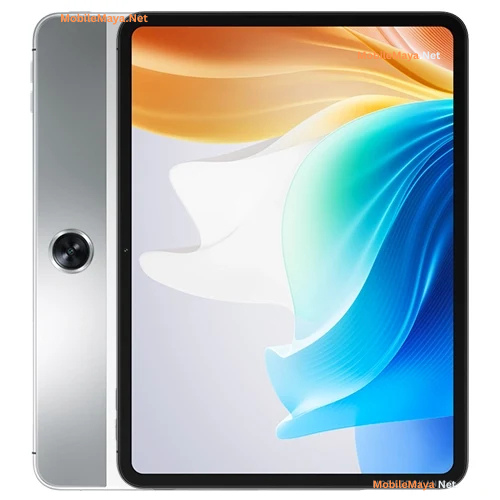
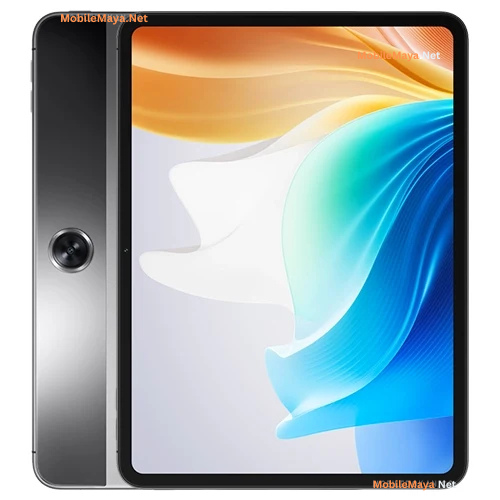
Silver, Gray |
Display
| Display Type Display Technology => A number of display technologies and types used in mobile phones => TFT (Thin Film Transistor), IPS (In-Place Switching), OLED (Organic Light Emitting Diode), AMOLED (Active-Matrix Organic Light-Emitting Diode), Super AMOLED (an even advanced version of AMOLED), Resistive Touchscreen (Resistive touchscreens contain two layer of conductive material with a very small gap between them which acts as a resistance), Capacitive Touchsceen (Capacitive touchscreen technology consists of a layer of glass coated with a transparent conductor) | IPS LCD |
| Size | 11.4 inches |
| Resolution | 1720 x 2408 pixels |
| Display Colors Display Colors is refers to the number of different shades of colors that the screen is capable of displaying => 64K colors, 256K colors and 16 million colors, Obviously 16M is highest available range of colors and better than others. | 16M colors |
| HDR 10 / HDR+ support |
Rear Camera
| Camera Setup | Single |
| Main Camera | 8 MP |
| OIS | |
| Video | 1080p@30fps |
Front Camera
| Camera Setup | Single |
| Secondary |
8 MP |
| Camera Features |
|
| Video | 1080p@30fps |
Battery
| Battery Type Battery Type => Cell phones run on various kinds of batteries depending on the manufacturer, phone size or shape and features. There are basically four types of cell phone batteries => Lithium Polymer, Lithium Ion, Nickel Metal Hydride and Nickel Cadmium. | Li-Ion (Lithium Ion) |
| Placement | Non-removable |
| Capacity Battery Capacity is a measure (typically in Amp-hr) of the charge stored by the battery, and is determined by the mass of active material contained in the battery. The battery capacity represents the maximum amount of energy that can be extracted from the battery under certain conditions. | 8000 mAh |
| USB Type-C | USB Type-C 2.0 |
Storage
| Storage Capacity | 128 GB, 256 GB |
| USB OTG |
Network
| 2G Network |
N/A |
| 3G Network |
N/A |
| 4G Network |
N/A |
| 5G Network |
|
| SIM SIM (Subscriber Identity Module) is a small card that contains mobile network subscriber's account information. This allows the phone using the card to attach to a mobile network. The SIM card is most commonly associated with GSM and UMTS mobile networks. Moving a SIM card from one phone to another allows a subscriber to switch mobile phones without having to contact their mobile network carrier. SIM cards can also be used by a phone to store limited amounts of data, such as phone numbers and text messages. | Standard SIM |
Data
| GPRS GPRS (General Packet Radio Service) is a packet oriented mobile data service on the 2G and 3G cellular communication system's global system for mobile communications (GSM), Generally, GPRS is used for the purpose of wireless data transfer, such as sharing pictures and videos or browsing the Internet via a mobile phone connection. | |
| EDGE EDGE (Enhanced Data GSM Environment) is a wireless network technology generally considered the next step in the 2G network offers data transfer rates up to four times faster than ordinary GSM networks, Generally, EDGE is used for the purpose of wireless data transfer, such as sharing pictures and videos or browsing the Internet via a mobile phone connection. | |
| Speed | No |
| Web Browser Web Browser => a web browser is a software application used to locate, retrieve and display content on the World Wide Web, including Web pages, images, video and other files, The primary function of a web browser is to render HTML, the code used to design or markup webpages. | HTML5 |
Messaging
| SMS SMS (Short Messaging Service) is a text messaging service component of phone, Web, or mobile communication systems. It uses standardized communications protocols to allow mobile phone devices to exchange short text messages over the networks. | Yes |
| MMS MMS (Multimedia Messaging Service) is a standard way to send messages that include multimedia content (audio clips, video clips and images) to and from mobile phones over wireless networks using the WAP protocol. | |
| Email Email (Electronic Mail) is a system for receiving, sending, and storing electronic messages, Similar to a letter, email is text messages that may contain files, images, or other attachments sent via the internet to a recipient by using applications and software prograps. An email address is required to receive email, and that address is unique to the user. | Yes |
| IM IM (Instant Messaging) is an exchange of text messages through a software application, it enable you to create a kind of private chat room with another individual in order to communicate in real time over the Internet. | Yes |
Connectivity
| Bluetooth Bluetooth is a wireless communications technology for exchanging data between mobile phones, headsets, computers and other network devices over short distances without wires, Bluetooth technology was primarily designed to support simple wireless networking of personal consumer devices. | 5.2, A2DP, LE, aptX HD |
| Wi-fi Wi-Fi is a popular wireless networking technology using radio waves to provide high-speed network connections that allows devices to communicate without cords or cables, Wi-Fi is increasingly becoming the preferred mode of internet connectivity all over the world. | Wi-Fi 802.11 a/b/g/n/ac, dual-band |
| Wi-fi Hotspot | |
| Infrared Infrared connectivity is an old wireless technology used to connect two electronic devices. It uses a beam of infrared light to transmit information and so requires direct line of sight and operates only at close range. | |
| USB | USB Type-C 2.0 |
| GPS GPS The Global Positioning System is a satellite-based radio navigation system, GPS permits users to determine their position, velocity and the time 24 hours a day, in all weather, anywhere in the world, In order to locate your position, your device or GPS receiver must have a clear view of the sky. | Unspecified |
| NFC NFC (Near field communication) is a set of standards for smartphones and similar devices to establish peer-to-peer radio communications with each other by touching them together or bringing them into proximity, usually no more than a few inches. |
Media
| FM Radio | No |
| Loudspeaker | Yes, with stereo speakers (4 speakers) |
| 3.5mm Jack | No |
Sensors & Security
| Fingerprint Sensor |
More
| Made By | China |
Performance Tests
PROS
- Large, sharp 11.4-inch display
- Excellent battery life
- Quad stereo speakers
- Latest Android 16
- Good value for money
CONS
- No cellular or 5G support
- Average camera performance
- No fingerprint sensor
- No headphone jack
Oppo Pad Air 3 Price in Bangladesh
The Oppo Pad Air 3 is expected to launch in Bangladesh at a starting price of around BDT 32,000, depending on the RAM and storage variant. At this price point, Oppo is positioning the Pad Air 3 as a mid-range Android tablet aimed at users who want a large display, solid battery life, and reliable everyday performance without paying flagship-level pricing.
With its 11.4-inch IPS LCD display, MediaTek Helio G99 chipset, up to 8GB RAM, and a massive 8000mAh battery, the Oppo Pad Air 3 is designed for students, content consumers, and casual gamers. The tablet also stands out with quad stereo speakers, a slim modern design, and the latest Android 16, making it a compelling option in the affordable tablet segment.
Price & Variants
| RAM & Storage | Price (BDT) | Status |
|---|---|---|
| 6GB RAM + 128GB Storage | ৳32,000 (Expected) | Coming Soon |
| 8GB RAM + 256GB Storage | ৳36,000 (Expected) | Coming Soon |
Oppo Pad Air 3 Specifications
The Oppo Pad Air 3 is an upcoming Android tablet that focuses on a balanced mix of display quality, battery endurance, and smooth day-to-day performance. Below is a detailed overview of its core specifications.
| Feature | Details |
|---|---|
| Model Name | Oppo Pad Air 3 |
| Release Date | January 2026 (Expected) |
| Market Availability | Upcoming |
| Official Price | Not announced |
| RAM & Storage | 6GB/128GB, 8GB/256GB |
Display and Design
The Oppo Pad Air 3 features a large 11.4-inch IPS LCD display with a resolution of 1720 × 2408 pixels, offering sharp visuals and comfortable viewing for reading, streaming, and online classes. With support for 16 million colors and HDR10/HDR+, content looks vibrant and well-balanced, especially for a tablet in this price range.
In terms of design, the tablet follows Oppo’s clean and minimal aesthetic. It comes in Silver and Gray color options, giving it a premium, modern look. While Oppo hasn’t officially revealed the exact weight and dimensions yet, the Pad Air 3 is expected to be slim and lightweight enough for long usage sessions.
Performance and Processor
Under the hood, the Oppo Pad Air 3 is powered by the MediaTek Helio G99 (6nm) chipset. This processor is well-known for its power efficiency and stable performance in mid-range devices. It handles everyday tasks such as browsing, video streaming, online classes, and light gaming smoothly.
The tablet is available in 6GB and 8GB RAM variants, paired with 128GB or 256GB internal storage, ensuring enough space for apps, media, and documents. While there’s no confirmed microSD card slot, the internal storage options should be sufficient for most users. For casual gaming and multitasking, the Helio G99 delivers a reliable experience without overheating issues.
Camera and Video
The Oppo Pad Air 3 comes with a single 8MP rear camera, which is suitable for scanning documents, taking quick photos, or occasional video recording. It supports 1080p video recording at 30fps, making it adequate for basic content creation and online sharing.
On the front, there’s an 8MP selfie camera, ideal for video calls, online meetings, and virtual classes. While the camera setup isn’t meant for photography enthusiasts, it’s well-optimized for a tablet’s typical use cases.
Battery and Charging
One of the biggest highlights of the Oppo Pad Air 3 is its 8000mAh non-removable Li-Ion battery. This large battery ensures long screen-on time, making it perfect for binge-watching, studying, or working throughout the day.
The tablet charges via USB Type-C 2.0, and thanks to the power-efficient Helio G99 chipset, users can expect solid battery life with moderate to heavy usage.
Connectivity and 5G Support
The Oppo Pad Air 3 is a Wi-Fi-only tablet, meaning it does not support 2G, 3G, 4G, or 5G networks. It relies on Wi-Fi for internet connectivity, which is suitable for home, office, or campus use.
Connectivity options include:
- Wi-Fi 802.11 a/b/g/n/ac (dual-band)
- Bluetooth 5.2 with A2DP, LE, and aptX HD
- USB Type-C 2.0
- USB OTG support
GPS and NFC details are not specified at this time.
Additional Features
The Oppo Pad Air 3 runs on Android 16, offering the latest software features, improved security, and better performance optimization. Audio is handled by quad stereo speakers, delivering loud and immersive sound for movies and games.
Other notable features include:
- Stereo speakers (4 speakers)
- No 3.5mm headphone jack
- No fingerprint sensor
- Built in China
Reason to Buy
- Large 11.4-inch high-resolution display for entertainment and productivity
- Powerful 8000mAh battery with excellent endurance
- Smooth performance with MediaTek Helio G99
- Latest Android 16 out of the box
- Quad stereo speakers for immersive audio
- Competitive mid-range pricing
Verdict
The Oppo Pad Air 3 is a solid mid-range Android tablet that focuses on what matters most: a big, sharp display, long battery life, and dependable performance. It’s an excellent choice for students, casual users, and anyone looking for a reliable tablet for media consumption, online learning, and everyday tasks. While it lacks cellular connectivity and advanced cameras, its overall value makes it a strong contender in its segment.
FAQ
Q: Is Oppo Pad Air 3 good for students?
Yes, its large display, long battery life, and smooth performance make it ideal for online classes and studying.
Q: Does Oppo Pad Air 3 support SIM cards?
No, it is a Wi-Fi-only tablet and does not support SIM cards or mobile networks.
Q: Can I play games on Oppo Pad Air 3?
Yes, casual and mid-level games run smoothly, thanks to the Helio G99 chipset.
Q: Does Oppo Pad Air 3 have fast charging?
Fast charging details are not officially confirmed yet.
Alternatives to Oppo Pad Air 3
- Samsung Galaxy Tab A9+ (2025)
- Xiaomi Pad 6
- Realme Pad 2 Pro
- Lenovo Tab P12 (2025 Edition)
User Reviews
Disclaimer Note
We do not guarantee that the information of this page is 100% accurate and up to date.